Fire Sprinkler System Inspection

Maryland‑licensed inspection and testing of wet, dry, and commercial fire sprinkler systems to ensure reliable, code‑compliant protection year‑round.
Thank you! Your submission has been received!
Oops! Something went wrong while submitting the form.

Why Professional Fire Sprinkler Inspections Matter

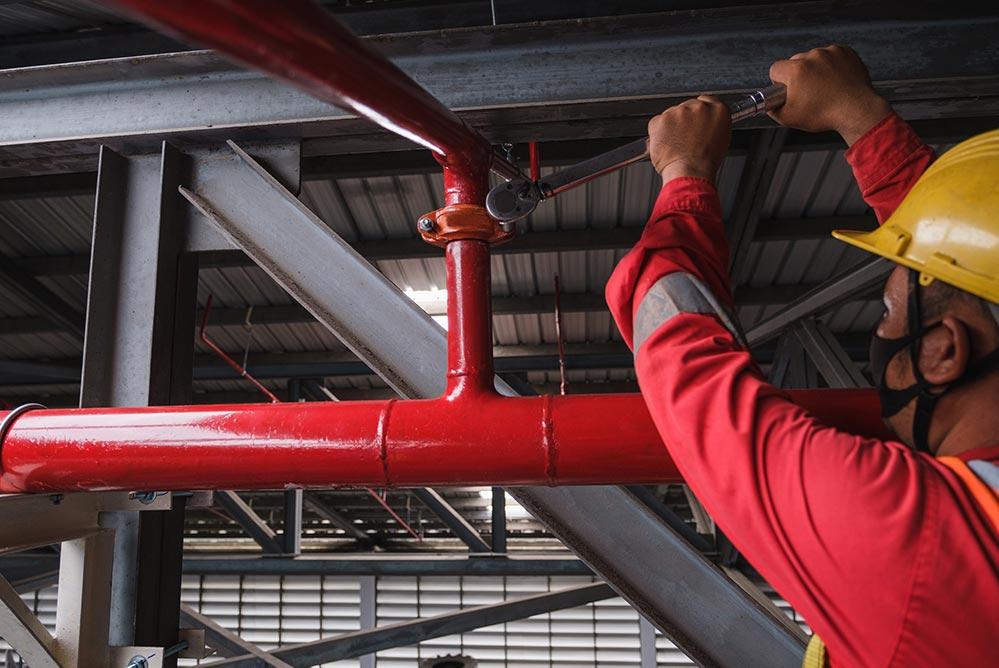
a person installing a sprinkler system

A properly maintained fire sprinkler system is the foundation of your building’s life‑safety plan. Regular sprinkler inspections ensure every valve, gauge, and sprinkler head meets NFPA standards, operates at the correct pressure, and is ready to activate when needed. Consistent inspections reduce long‑term maintenance issues, prevent costly failures, and keep your building compliant with Maryland fire code and insurance requirements.

Fire protection isn’t something to leave to chance. Professional NFPA 25 inspections verify that your system is performing as designed, identify early signs of wear or corrosion, and confirm that all components function under real‑world conditions. With thorough testing and routine oversight, your sprinkler system stays reliable, responsive, and ready to protect your property around the clock.
Wet/Dry Sprinkler Systems

Understanding the difference between wet and dry systems helps ensure your building gets the right fire protection for its environment, temperature conditions, and code requirements.

Wet Sprinkler System

Wet sprinkler systems are the most common and cost‑effective option for heated buildings. The pipes stay filled with water, allowing for the fastest response during a fire. They’re ideal for homes, offices, retail spaces, and any conditioned area where freezing isn’t a concern. Wet systems offer simple maintenance, reliable performance, and strong long‑term protection when installed correctly.

Dry Sprinkler System

Dry sprinkler systems are designed for unheated or exposed areas where pipes could freeze, such as garages, loading docks, warehouses, and attics. Instead of water, the pipes are filled with pressurized air or nitrogen, with water held back at the dry valve until activation. Dry systems require precise installation and testing to ensure proper trip times and freeze protection, making professional guidance essential.

Benefits of Professional Fire Sprinkler Inspection

Regular inspections keep your fire sprinkler system safe, reliable, and fully compliant—protecting your building and everyone inside it.
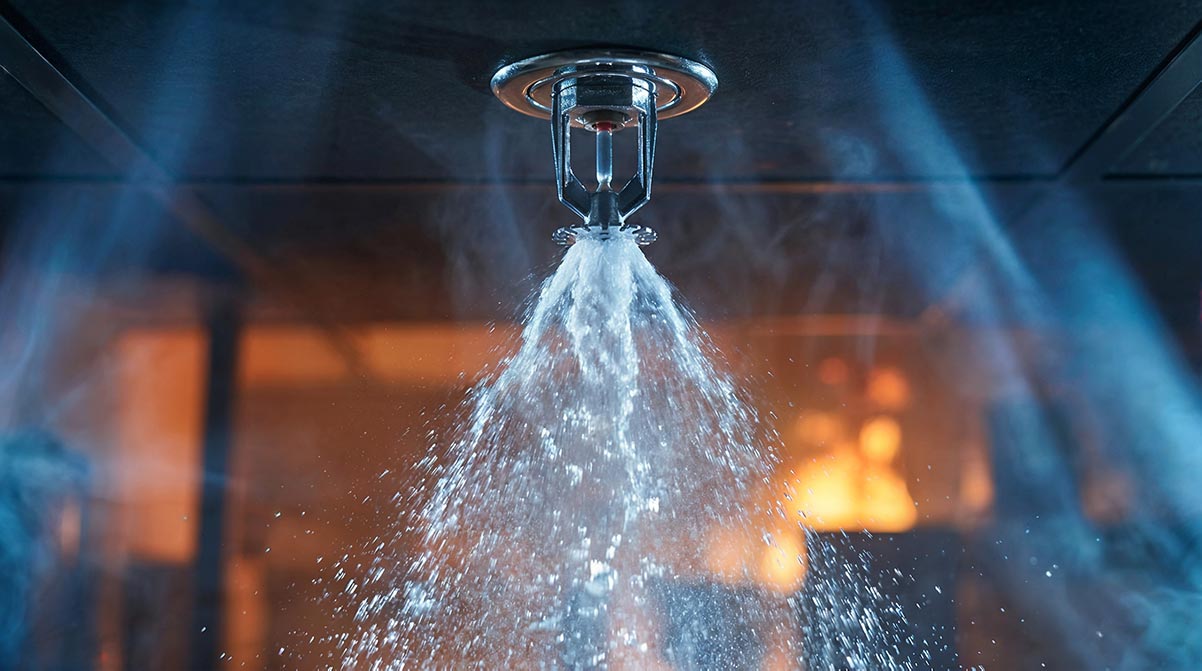
a fire sprinkler spraying water onto a fire

Reliable System Performance

Professional inspections ensure every valve, gauge, and sprinkler head is functioning exactly as it should. Routine checks catch early issues like leaks, corrosion, or pressure loss before they compromise system performance.

Lower Maintenance Costs

Consistent inspections help prevent major failures by identifying small problems early. This reduces emergency repairs, extends system lifespan, and keeps long‑term maintenance costs predictable.
An industrial sprinkler system
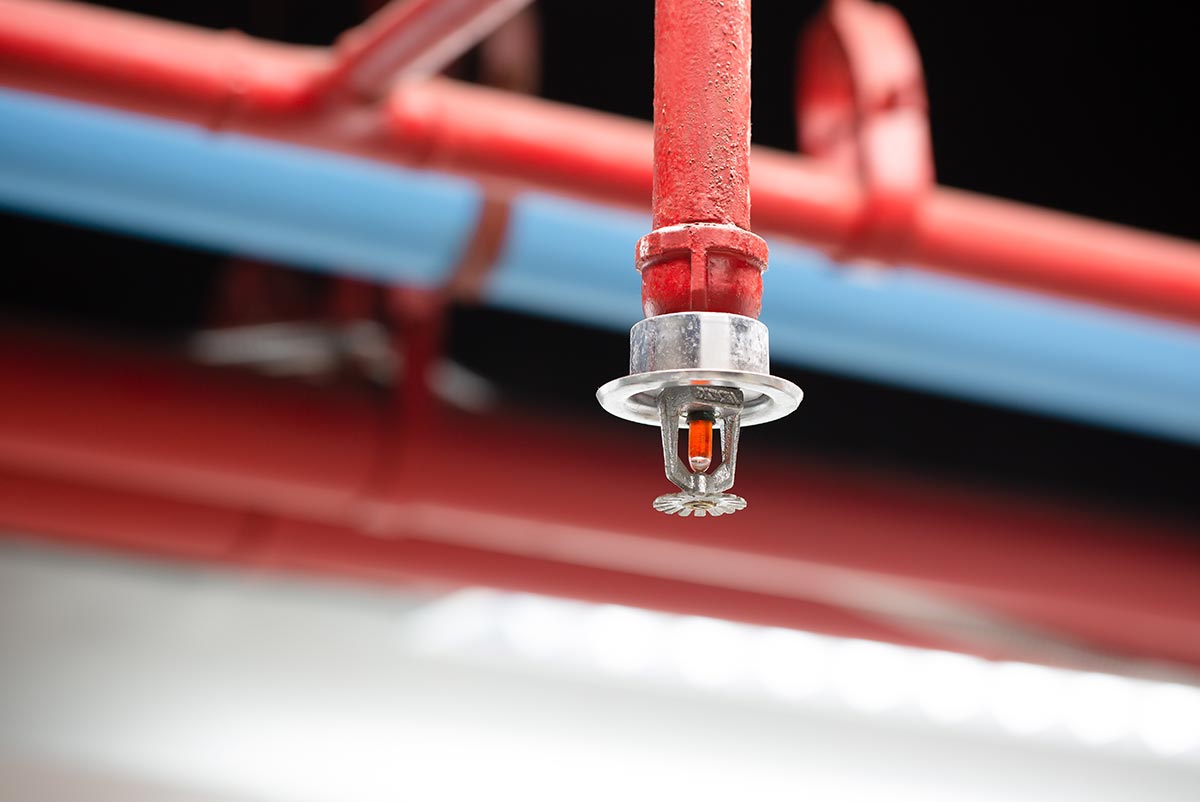
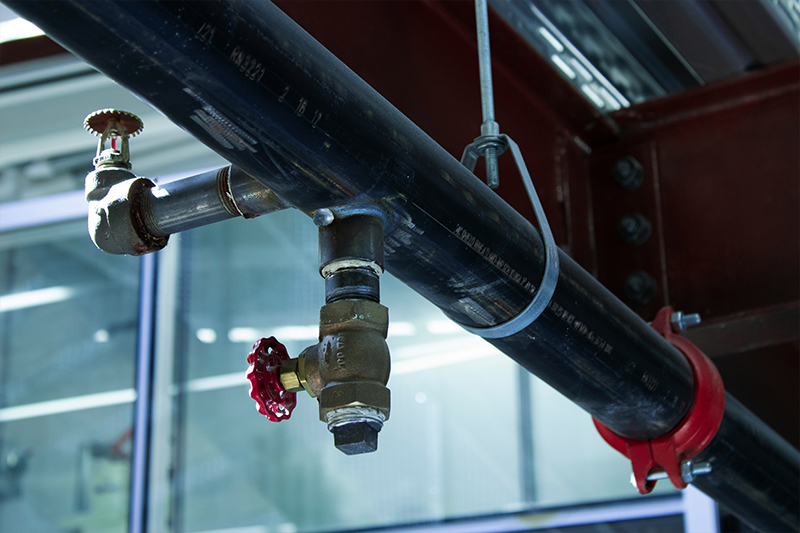
a fire sprinkler head connected to piping

Full Maryland Code Compliance

NFPA 25 requires regular inspections for both wet and dry systems. Professional inspection ensures your building stays compliant with Maryland fire code and insurance requirements—avoiding violations, fines, and costly retrofits.

Frequently Asked Questions

How often should a fire sprinkler system be inspected?
How do I know if my fire sprinkler system needs repair?
Can you help determine whether I need a wet or dry sprinkler system?
What areas do you serve in Maryland, DC, and Virginia?
How do I schedule a service?
What should I do if my pipes burst or I have a major leak?
How can I tell if my sprinkler system is leaking or malfunctioning?

Reach Out! We’re Ready to Help

Have a question or need service? Reach out today to speak with our team. We’re here to provide fast, professional sprinkler support and help you get your system back on track—no matter the size of the job.
Thank you! Your submission has been received!
Oops! Something went wrong while submitting the form.