Understanding Wet and Dry Fire Sprinkler Systems
Know how each system operates and which one meets Maryland fire code and environmental conditions for your building.
Oops! Something went wrong while submitting the form.
The Difference Between Wet and Dry Sprinkler Systems
While both systems provide reliable fire protection, they operate very differently and are designed for specific building conditions, temperatures, and code requirements.
Wet Sprinkler System
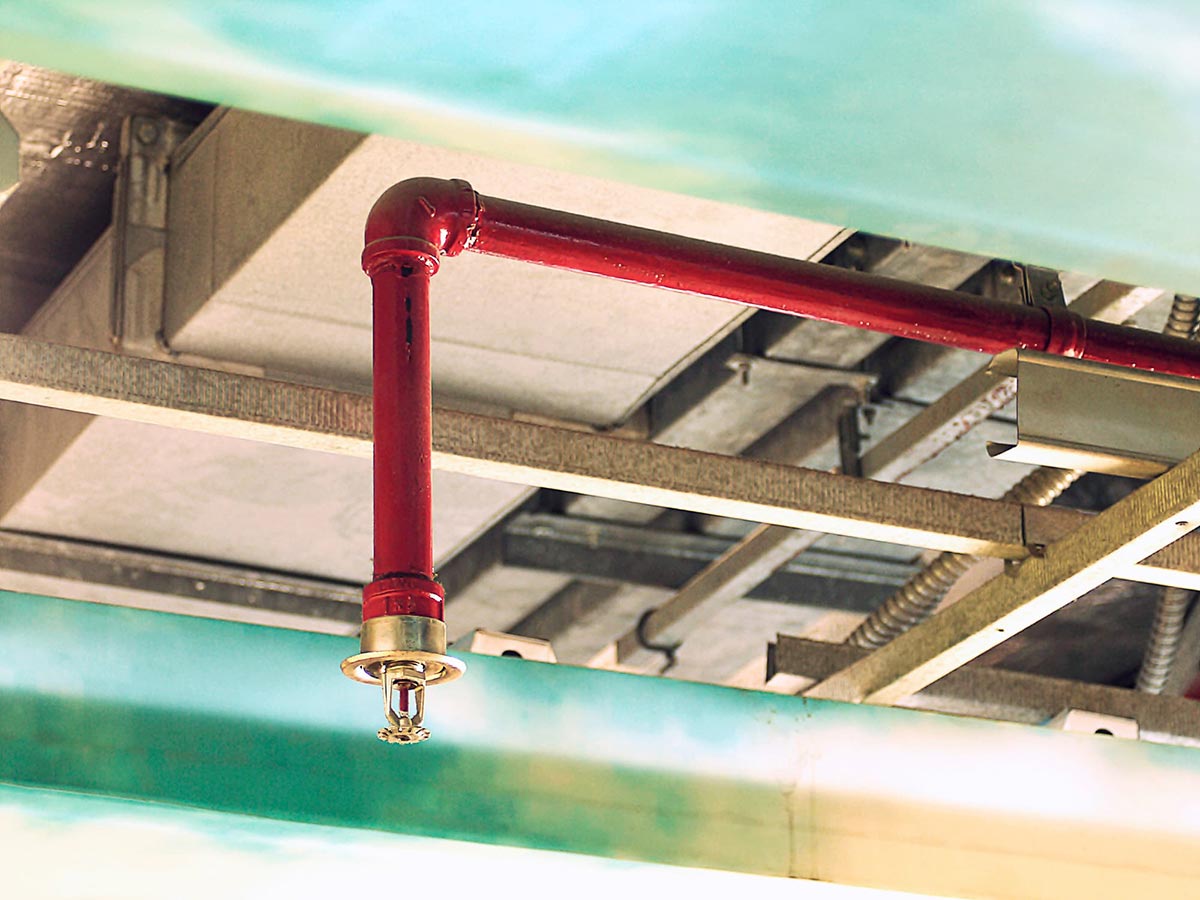
A wet sprinkler system keeps water in the pipes at all times, allowing for the fastest response during a fire. Because the piping stays filled, wet systems are ideal for heated buildings such as homes, offices, retail spaces, and most commercial interiors. They offer simple maintenance, fewer moving parts, and long‑term reliability when installed correctly.
Dry Sprinkler System
A dry sprinkler system, on the other hand, keeps the pipes filled with pressurized air or nitrogen instead of water. Water is held back at the dry valve until a sprinkler head activates. This design prevents freezing and makes dry systems the right choice for garages, loading docks, attics, warehouses, and any unheated or exposed areas. Dry systems require precise installation and testing to ensure proper trip times and freeze protection, but they provide dependable coverage where wet systems cannot be used.
Fire Sprinkler Inspection Schedule
Wet and dry sprinkler systems follow different inspection requirements, but both must be checked regularly to stay compliant with NFPA 25 and Maryland fire code.
Weekly
Weekly checks focus on verifying water pressure, air pressure (for dry systems), and control valve positions. These quick visual inspections help catch early issues before they become system failures.
Monthly
Monthly inspections typically include gauge readings, valve condition checks, and confirming that riser rooms, dry valves, and system components remain accessible and free of obstructions.
Annually
Annual inspections are the most comprehensive, covering sprinkler heads, valves, alarms, waterflow devices, trip testing for dry systems, and full NFPA 25 compliance checks to ensure system readiness.
Multi-year
Every few years, systems require deeper testing such as internal pipe assessments, obstruction investigations, and full dry valve rebuilds. These multi‑year tasks ensure long‑term reliability and code compliance.
Signs Your Sprinkler System Needs an Upgrade
- Frequent Repairs or Recurring Issues — If leaks, pressure problems, or damaged heads keep coming back, the system may be too old or deteriorated to perform reliably.
- Corrosion or MIC in Piping — Internal corrosion weakens pipes, restricts flow, and increases the risk of major failures, making upgrades essential for long‑term safety.
- Building Renovations or Layout Changes — New walls, added rooms, or repurposed spaces often require updated sprinkler coverage to stay compliant with NFPA and Maryland code.
- Outdated System Design or Components — Older systems may not meet current standards, lack modern valves or alarms, or be incompatible with today’s inspection and testing requirements.
- Inadequate Coverage for Current Hazards — If your building’s use has changed—storage, occupancy, or hazard level—your system may no longer provide the protection it needs.
Frequently Asked Questions
How often should a fire sprinkler system be inspected?
How do I know if my fire sprinkler system needs repair?
Can you help determine whether I need a wet or dry sprinkler system?
What areas do you serve in Maryland, DC, and Virginia?
How do I schedule a service?
What should I do if my pipes burst or I have a major leak?
How can I tell if my sprinkler system is leaking or malfunctioning?
Reach Out! We’re Ready to Help
Have a question or need service? Reach out today to speak with our team. We’re here to provide fast, professional sprinkler support and help you get your system back on track—no matter the size of the job.
Oops! Something went wrong while submitting the form.